Movie Tickets and Times
Movies in Theaters
See All Movies-

Kingdom of the Planet of the Apes (2024) Opens Today Kingdom of the Planet of the Apes (2024)
-

Kingdom of the Planet of the Apes Early Access Screening (2024) Released Wed, May 8th Kingdom of the Planet of the Apes Early Access Screening (2024)
-
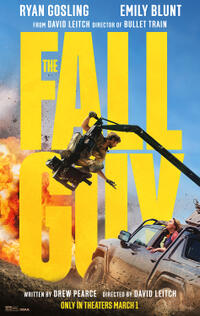
The Fall Guy (2024) Released Fri, May 3rd The Fall Guy (2024)
-

Challengers (2024) Released Fri, April 26th Challengers (2024)
-
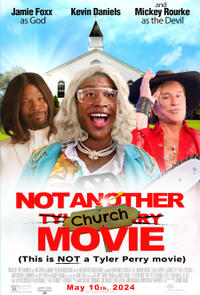
Not Another Church Movie (2024) Opens Today Not Another Church Movie (2024)
-

Civil War (2024) Released Fri, April 12th Civil War (2024)
-

Star Wars: Episode I - The Phantom Menace 25th Anniversary Re-Release (2024) Released Fri, May 3rd Star Wars: Episode I - The Phantom Menace 25th Anniversary Re-Release (2024)
-

Unsung Hero (2024) Released Fri, April 26th Unsung Hero (2024)
-

Tarot (2024) Released Fri, May 3rd Tarot (2024)
-

The Ministry of Ungentlemanly Warfare (2024) Released Fri, April 19th The Ministry of Ungentlemanly Warfare (2024)
-

Boy Kills World (2024) Released Fri, April 26th Boy Kills World (2024)
-

Godzilla x Kong: The New Empire (2024) Released Fri, March 29th Godzilla x Kong: The New Empire (2024)
-

Abigail (2024) Released Fri, April 19th Abigail (2024)
Coming Soon To Theaters
-

Furiosa: A Mad Max Saga (2024) Opens May 24th Furiosa: A Mad Max Saga (2024)
-

IF (2024) Opens May 17th IF (2024)
-

The Garfield Movie (2024) Opens May 24th The Garfield Movie (2024)
-

Back to Black (2024) Opens May 17th Back to Black (2024)
-

The Strangers: Chapter 1 (2024) Opens May 17th The Strangers: Chapter 1 (2024)
-

Transformers: 40th Anniversary Event (2024) Opens Wednesday Transformers: 40th Anniversary Event (2024)
-

Sight (2024) Opens May 24th Sight (2024)
-

Inside Out 2 (2024) Opens June 14th Inside Out 2 (2024)
-
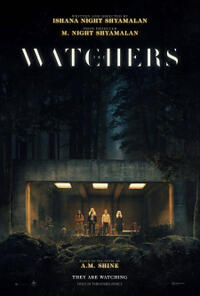
The Watchers (2024) Opens June 7th The Watchers (2024)
-

The Bikeriders (2024) Opens June 21st The Bikeriders (2024)
Watch At Home
See All Movies-
Ghostbusters: Frozen Empire
-
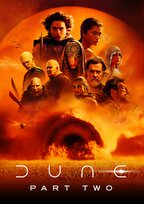
Dune: Part Two
-
Abigail
-
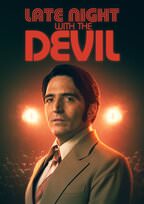
Late Night with the Devil
-
Arthur the King
-
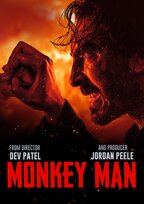
Monkey Man
-
Love Lies Bleeding
-
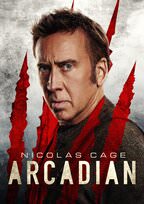
Arcadian
-
Chief of Station
-
Kung Fu Panda 4
-
Housekeeping for Beginners
-
Wicked Little Letters
-
-
Breathe
-
Immaculate
-
In the Land of Saints and Sinners
-
The Long Game
-
Blood for Dust
-
The Beekeeper
-
Madame Web












Features
-

The 'Furiosa: A Mad Max Saga' Big Ticket Interview
Get the inside story from stars Anya Taylor-Joy and Chris Hemsworth. Tickets are on sale now!
-

'Kingdom of the Planet of the Apes' Exclusive Preview
A 7-minute sneak peak of this week's most anticipated release
-

'Kingdom Of The Planet Of The Apes' Exclusive Cast Roundtable
What does it take to play an ape?
-

'The Fall Guy' Big Ticket Interview
An exclusive conversation with the stars, director and stunt team
-

The 'Challengers' Big Ticket Interview
The stars serve up stories from behind the scenes