Movie Tickets and Times
Movies in Theaters
See All Movies-
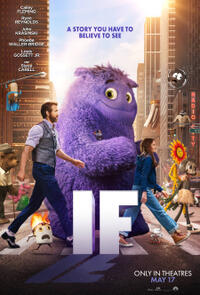
IF (2024) Released Fri, May 17th IF (2024)
-

Kingdom of the Planet of the Apes (2024) Released Fri, May 10th Kingdom of the Planet of the Apes (2024)
-

The Strangers: Chapter 1 (2024) Released Fri, May 17th The Strangers: Chapter 1 (2024)
-

Billie Eilish: HIT ME HARD AND SOFT - Presented by Apple Music (2024) Released Thu, May 16th Billie Eilish: HIT ME HARD AND SOFT - Presented by Apple Music (2024)
-

Back to Black (2024) Released Fri, May 17th Back to Black (2024)
-
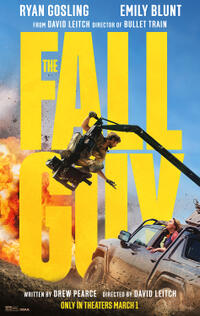
The Fall Guy (2024) Released Fri, May 3rd The Fall Guy (2024)
-

Challengers (2024) Released Fri, April 26th Challengers (2024)
-

Civil War (2024) Released Fri, April 12th Civil War (2024)
-

Transformers: 40th Anniversary Event (2024) Released Wed, May 15th Transformers: 40th Anniversary Event (2024)
-

Tarot (2024) Released Fri, May 3rd Tarot (2024)
-

Unsung Hero (2024) Released Fri, April 26th Unsung Hero (2024)
-
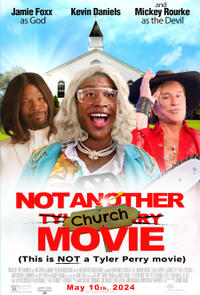
Not Another Church Movie (2024) Released Fri, May 10th Not Another Church Movie (2024)
Coming Soon To Theaters
-

Inside Out 2 (2024) Opens June 14th Inside Out 2 (2024)
-
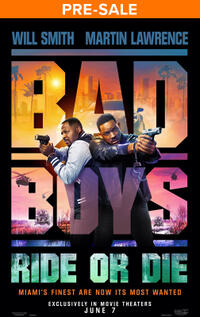
Bad Boys: Ride or Die (2024) Opens June 7th Bad Boys: Ride or Die (2024)
-

Furiosa: A Mad Max Saga (2024) Opens Friday Furiosa: A Mad Max Saga (2024)
-

The Garfield Movie (2024) Opens Friday The Garfield Movie (2024)
-

Haikyu!! The Dumpster Battle (2024) Opens May 31st Haikyu!! The Dumpster Battle (2024)
-
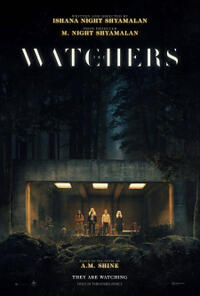
The Watchers (2024) Opens June 7th The Watchers (2024)
-

GHOST: RITE HERE RITE NOW (2024) Opens June 20th GHOST: RITE HERE RITE NOW (2024)
-

Sight (2024) Opens Friday Sight (2024)
-

The Bikeriders (2024) Opens June 21st The Bikeriders (2024)
-

Deadpool & Wolverine (2024) Opens July 26th Deadpool & Wolverine (2024)
Watch At Home
See All Movies-
Godzilla x Kong: The New Empire
-
The Ministry of Ungentlemanly Warfare
-
Challengers
-
Ghostbusters: Frozen Empire
-
Dune: Part Two
-
Sting
-
Late Night with the Devil
-
Arthur the King
-
Abigail
-
Monkey Man
-
Love Lies Bleeding
-
Sasquatch Sunset
-
Irena's Vow
-
Imaginary
-
Arcadian
-
End of the Rope
-
You Can't Run Forever
-
The Tiger's Apprentice
-
Kung Fu Panda 4
-
The Last Stop in Yuma County















Features
-

Exclusive Look: 'Back To Black'
Marisa Abela steps into Amy Winehouse's shoes
-

'Kingdom Of The Planet Of The Apes' Scene Breakdown
Director Wes Ball and star Owen Teague explain how they pulled off an action-packed sequence
-

Exclusive Look: 'The Strangers: Chapter 1'
The reimagining of a frightening classic is in theaters now
-

The 'Furiosa: A Mad Max Saga' Big Ticket Interview
Get the inside story from stars Anya Taylor-Joy and Chris Hemsworth. Tickets are on sale now!
-

Exclusive Look: 'Bad Boys: Ride Or Die'
The Boys are back on June 7. See the new trailer and get your tickets right here!